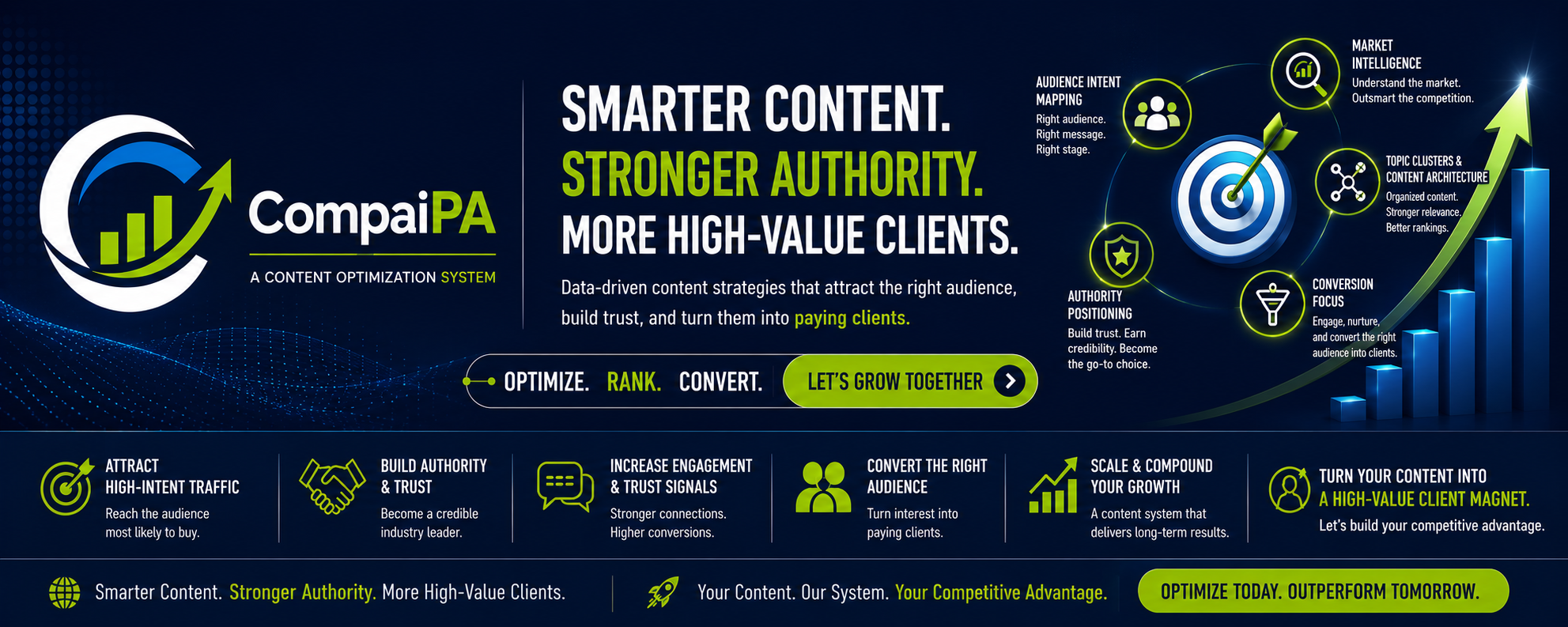
Content Optimization: The Complete Guide to SEO, AEO & GEO
- April 17, 2014
- AI SEO, AEO & GEO Optimization
Table of Contents
ToggleContent Optimization: The Complete Guide to SEO, AEO & GEO
What is Content Optimization (SEO, AEO & GEO)?
Content optimization is the process of structuring, refining, and enhancing digital content so it ranks on search engines (SEO), gets selected as direct answers (AEO), and is understood and cited by AI systems (GEO). It combines keyword strategy, semantic relevance, entity optimization, and intent alignment to maximize visibility, authority, and conversions across modern search ecosystems.
Introduction:
Search is no longer just about Google rankings.
Today, your content must perform across:
- Search engines (Google, Bing)
- Answer engines (featured snippets, voice search)
- AI systems (ChatGPT-style summaries, generative results)
If your content is not optimized for all three layers—SEO, AEO, and GEO— you are losing visibility before users even reach your brand.
What Is Content Optimization? (Modern Definition)
Content optimization is a multi-layered strategy that ensures content is:
- Discoverable (SEO)
- Extractable (AEO)
- Understandable by AI systems (GEO)
- Conversion-ready for users
It is no longer about keywords alone—it is about semantic intelligence and intent engineering.
SEO vs AEO vs GEO (Core Differences)
1. SEO (Search Engine Optimization)
Focus: Rankings on search engines
Key elements:
- Keywords
- Backlinks
- On-page SEO
- Technical optimization
2. AEO (Answer Engine Optimization)
Focus: Direct answers (snippets, voice search, AI answers)
Key elements:
- Structured answers
- FAQ formatting
- Clear definitions
- Concise insights
3. GEO (Generative Engine Optimization)
Focus: AI systems and generative search models
Key elements:
- Entity recognition
- Semantic relationships
- Context-rich content
- Knowledge graph alignment
Why Content Optimization Matters Today
Modern discovery systems prioritize:
- Relevance over keyword density
- Context over repetition
- Authority over volume
- Structure over randomness
Without optimization, even great content becomes invisible to both search engines and AI systems.
Core Pillars Strategy
1. Semantic Keyword Optimization
Focus on clusters, not isolated keywords:
- Content optimization strategy
- SEO content optimization
- AI SEO strategy
- semantic keyword clusters
- search intent alignment
2. Search Intent Mapping (TOFU–MOFU–BOFU)
Align content with user psychology:
- TOFU → Awareness content
- MOFU → Comparison and evaluation
- BOFU → Conversion and decision
3. On-Page SEO Engineering
Critical elements:
- Title tags
- Meta descriptions
- Header structure (H1–H6)
- Internal linking architecture
- URL optimization
4. AI & AEO Structuring
To rank in AI answers:
- Direct answer blocks
- FAQs
- Bullet summaries
- Clear definitions
5. Entity & GEO Optimization
To appear in AI systems:
- Brand/entity consistency
- Contextual relationships
- Knowledge graph alignment
6. Content Repurposing & Distribution
One asset becomes multiple formats:
- Blog → LinkedIn posts
- Blog → SEO pages
- Blog → newsletters
- Blog → social content
Structured Facts (AI-Friendly Summary)
- Topic: Content Optimization
- Subfields: SEO, AEO, GEO
- Goal: Search dominance + AI visibility
- Core Strategy: Semantic + intent-based optimization
- Outcome: Rankings, citations, conversions
Semantic Keyword Clusters
Primary keyword:
- Content optimization
Supporting clusters:
- SEO content optimization
- AI SEO optimization
- search intent optimization
- semantic SEO strategy
- AEO GEO optimization
- content performance strategy
- digital PR and content authority
Step-by-Step Framework
Step 1: Audit Existing Content
Identify:
- Low-performing pages
- Keyword gaps
- Missing intent alignment
Step 2: Build Semantic Clusters
Group topics into:
- Pillar pages
- Supporting articles
- Internal link structure
Step 3: Optimize for SEO + AEO + GEO
- SEO → ranking structure
- AEO → answer formatting
- GEO → AI recognition
Step 4: Add Conversion Layer
Every content piece must:
- Build trust
- Answer intent
- Drive action
Common Mistakes
- Keyword stuffing
- Ignoring search intent
- No internal linking strategy
- No AI formatting (AEO/GEO)
- Publishing without structure
FAQs (AI + Search Optimization)
What is content optimization in SEO?
It is improving content structure, keywords, and relevance to increase search rankings.
What is AEO in content strategy?
AEO ensures content is structured to appear as direct answers in search and AI systems.
What is GEO optimization?
GEO aligns content with AI systems so it can be understood, summarized, and cited.
Why is semantic SEO important?
It helps search engines understand context and improves topical authority.
Metadata (SEO Optimization)
Title Tag:
Content Optimization: The Complete Guide to SEO, AEO & GEO for Search Dominance
Meta Description (160 characters):
Master content optimization for SEO, AEO & GEO. Learn semantic SEO, AI visibility, and intent-driven strategies to dominate search and conversions.
Conversion-Focused Call to Action
Your Content Is Either Optimized—or Invisible
Most businesses publish content that:
- Doesn’t rank
- Isn’t cited
- Doesn’t convert
Not because it’s bad—but because it’s not optimized for modern search systems.
Turn Your Content Into a Search & AI Dominance Engine
We help brands engineer content that:
- Ranks on Google
- Gets selected in AI answers
- Builds authority in knowledge graphs
- Converts traffic into clients
Get A Quote for Your Content Optimization Strategy Today
Stop publishing content that gets ignored.
Start building content that gets:
- Found
- Cited
- Chosen
- And converted
About us and this blog
We are a digital marketing company with a focus on helping our customers achieve great results across several key areas.
Request a free quote
We offer professional SEO services that help websites increase their organic search score drastically in order to compete for the highest rankings even when it comes to highly competitive keywords.
Subscribe to our newsletter!
More from our blog
See all posts

Recent Posts
- Global Brand Naming, Trademark Search & Domain Name Viability September 22, 2026
- Create Content Optimization That Attracts Buyers and Traffic September 5, 2026
- Unlock Content Optimization System that Attracts Traffic and Buyers September 2, 2026